
Your lungs play an essential role in keeping your body healthy. Every breath delivers oxygen to your bloodstream and helps remove carbon dioxide from your body. However, respiratory problems can sometimes develop gradually, making it difficult to recognize changes in lung function until symptoms become noticeable.
Whether you experience frequent coughing, wheezing, shortness of breath, or simply need respiratory testing for employment requirements, understanding your lung health is important.
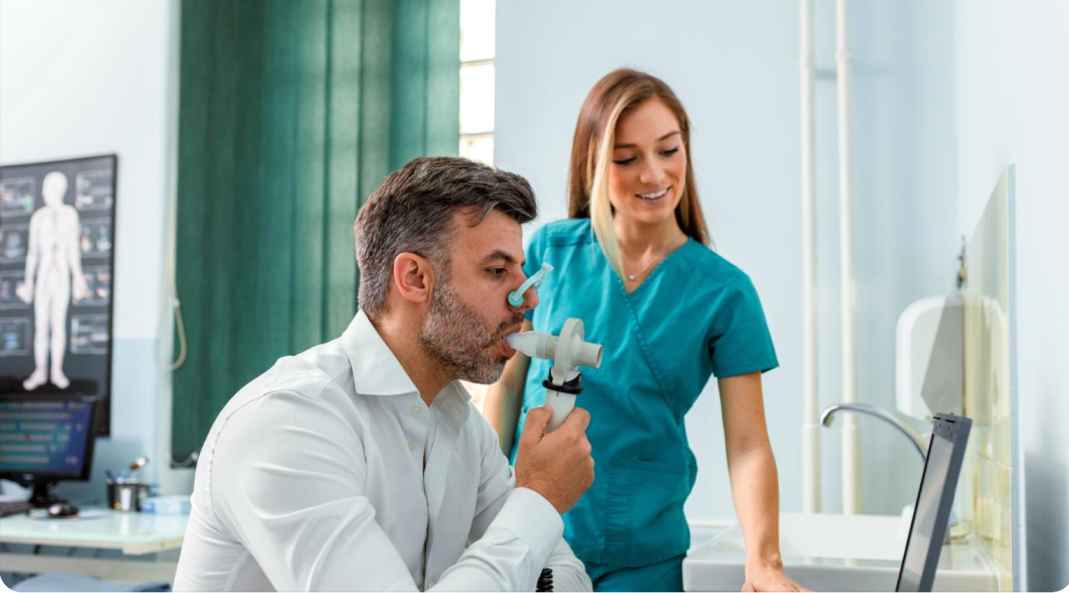
Spirometry and lung function testing convenient way to measure how effectively your lungs move air. Spirometry is a non-invasive breathing test that measures how much air you can inhale and exhale and how quickly you can force air out of your lungs.
At LABS TO GO, we provide professional spirometry testing services in Virginia Beach to support individuals, employees, and organizations that need convenient lung function assessments.
In this guide, we will explain what spirometry testing involves, its major benefits, who should consider testing, and why monitoring your respiratory health is an important part of preventive healthcare.
What Is Spirometry and Lung Function Testing?
Spirometry is a common pulmonary function test used to evaluate how well your lungs are working.
During the procedure, you breathe into a special device called a spirometer. The device measures the amount of air you breathe out and how quickly you can exhale.
These measurements provide useful information about airflow and lung function.
Two important measurements include:
- Forced Vital Capacity (FVC): The total amount of air you can forcefully exhale after taking a deep breath.
- Forced Expiratory Volume (FEV1): The amount of air you can forcefully exhale during the first second.
Healthcare professionals evaluate these measurements to identify possible airflow abnormalities and determine whether additional respiratory evaluation may be necessary.
Spirometry is commonly used when evaluating conditions such as asthma and chronic obstructive pulmonary disease (COPD).
It is important to remember that spirometry measures airflow and lung function. It does not independently diagnose every respiratory condition.
Why Is Lung Function Testing Important?
Many people pay attention to their heart health, blood pressure, and cholesterol levels but overlook their respiratory health.
Your lungs work continuously, and changes in their function can affect your energy, physical activity, sleep, and overall quality of life.
Lung function testing provides measurable information that can help identify potential breathing problems and support appropriate medical evaluation.
Some important reasons to consider spirometry testing include:
- Evaluating unexplained breathing difficulties.
- Assessing persistent coughing and wheezing.
- Supporting asthma evaluation and monitoring.
- Helping healthcare professionals investigate possible COPD.
- Monitoring respiratory health over time.
- Supporting occupational respiratory health programs.
- Providing lung function measurements for certain medical evaluations.
Early evaluation of respiratory symptoms can help individuals receive appropriate medical guidance and avoid unnecessary delays in addressing potential health concerns.
7 Major Benefits of Spirometry Testing
1. Helps Identify Potential Lung Function Problems
One of the biggest benefits of spirometry is that it provides objective measurements of how well air moves through your lungs.
Some respiratory conditions develop gradually. Individuals may initially experience mild symptoms, such as getting tired while climbing stairs or becoming short of breath during physical activity.
Spirometry can help healthcare professionals identify airflow abnormalities that may require further investigation.
It is particularly useful when evaluating individuals experiencing:
- Persistent coughing.
- Wheezing.
- Shortness of breath.
- Chest tightness.
- Reduced exercise tolerance.
2. Supports Asthma Evaluation and Monitoring
Asthma is a chronic respiratory condition that causes inflammation and narrowing of the airways.
Common symptoms include coughing, wheezing, chest tightness, and difficulty breathing.
Spirometry can help evaluate airflow obstruction and may be performed before and after a bronchodilator medication to assess whether airflow improves.
For individuals already diagnosed with asthma, lung function testing can provide useful information for monitoring respiratory health.
3. Helps Evaluate COPD
Chronic Obstructive Pulmonary Disease (COPD) is a group of lung conditions that make breathing difficult.
COPD includes conditions such as emphysema and chronic bronchitis.
Common symptoms include:
- Frequent coughing.
- Excess mucus production.
- Wheezing.
- Shortness of breath.
- Difficulty with physical activities.
Spirometry is an important test used by healthcare professionals to evaluate suspected COPD.
It measures airflow obstruction and helps determine whether additional respiratory assessments are needed.
People with a history of smoking or long-term exposure to respiratory irritants should discuss their symptoms and testing needs with a healthcare professional.
4. Helps Monitor Respiratory Health Over Time
Lung function testing can establish a baseline measurement that healthcare professionals may use for future comparisons.
For individuals with diagnosed respiratory conditions, repeated spirometry testing may help assess whether lung function is stable or changing.
This information can support decisions about treatment adjustments, additional testing, and ongoing medical monitoring.
5. Supports Workplace and Occupational Health
Certain industries expose employees to airborne substances that may affect respiratory health.
Examples include:
- Construction.
- Manufacturing.
- Industrial production.
- Chemical processing.
- Mining.
- Agricultural operations.
Exposure to dust, fumes, chemicals, and other respiratory irritants may create occupational health concerns.
Depending on the workplace and applicable occupational health requirements, spirometry may be included in an employee respiratory health program.
For employers, lung function testing can support workplace wellness initiatives and occupational health assessments.
6. Provides Useful Information for Medical Evaluations
Healthcare professionals may request spirometry when evaluating respiratory symptoms or monitoring known lung conditions.
The test provides measurable information that can help guide further medical decisions.
Depending on the individual’s health history and symptoms, additional testing may be recommended.
7. Non-Invasive and Convenient Testing
Another major benefit of spirometry is that it is non-invasive.
Unlike blood testing, it does not require needles or blood collection.
You simply breathe into a mouthpiece while following instructions from the testing technician.
The procedure is generally quick and comfortable, making it a convenient option for individuals who need lung function measurements.
Who Should Consider Spirometry Testing?
Spirometry testing may be appropriate for individuals experiencing respiratory symptoms or those who need lung function measurements for medical or occupational purposes.
You may want to discuss spirometry with a healthcare professional if you:
- Experience persistent coughing.
- Frequently experience wheezing.
- Have unexplained shortness of breath.
- Have a history of smoking.
- Have been diagnosed with asthma.
- Have COPD or another respiratory condition.
- Work around dust, chemicals, or industrial fumes.
- Need respiratory testing for employment requirements.
- Have been referred for lung function testing.
Not everyone requires routine spirometry screening. A healthcare professional can determine whether testing is appropriate based on symptoms, medical history, and risk factors.
What Happens During a Spirometry Test?
Many people feel nervous before medical testing because they do not know what to expect.
Fortunately, spirometry is a straightforward procedure.
Here is what typically happens during your appointment at LABS TO GO.
Step 1: Initial Preparation
The testing technician will guide you through the procedure and provide instructions.
You may be asked about relevant medical history and medications.
Step 2: Positioning
You will generally sit upright and place your lips around a mouthpiece connected to the spirometer.
A nose clip may be used to prevent air from escaping through your nose.
Step 3: Deep Breathing
You will be asked to take a deep breath and then blow out as forcefully and completely as possible.
The spirometer records your breathing measurements.
Step 4: Repeat the Test
The breathing maneuver is usually repeated several times to obtain consistent measurements.
Following the technician’s instructions is important for accurate recording.
Step 5: Results and Review
Your measurements are recorded for review by an appropriately qualified healthcare professional.
Depending on the results, further medical evaluation may be recommended.
At LABS TO GO, the spirometry process typically takes 10 minutes or less, according to the service information provided on our website.
How to Prepare for Lung Function Testing
Proper preparation can help make your spirometry appointment more comfortable.
Before your test, consider the following recommendations:
- Wear comfortable clothing that does not restrict your breathing.
- Avoid smoking before testing according to the instructions provided.
- Avoid heavy meals shortly before testing if advised.
- Ask whether strenuous exercise should be avoided beforehand.
- Bring information about your current medications.
- Inform the technician about any recent respiratory illness.
- Follow instructions regarding inhalers and other respiratory medications.
Do not stop taking prescribed medications unless your healthcare professional specifically instructs you to do so.
If you have questions about preparation, contact LABS TO GO before your visit.
A healthcare professional can determine which test is appropriate based on your symptoms and medical history.
Why Choose LABS TO GO for Spirometry Testing in Virginia Beach?
When looking for spirometry and lung function testing in Virginia Beach, choosing a convenient and professional testing provider matters.
LABS TO GO offers respiratory testing services designed to help individuals and organizations access lung function assessments.
Here are some reasons to consider LABS TO GO:
Professional Testing Guidance: Receive instructions and assistance from a certified testing technician.
Quick Testing Process: Spirometry testing typically takes 10 minutes or less.
Hygienic Testing Equipment: Single-use mouthpieces are utilized for each test.
Convenient Walk-In Services: Walk-in testing is available, subject to current service availability.
Individual and Business Testing: Services support individuals as well as organizations with respiratory testing needs.
Convenient Virginia Beach Location: Access testing at our Virginia Beach walk-in center.
Whether you need lung function testing for personal health monitoring, employment requirements, or an occupational health program, LABS TO GO can help you understand the available testing options.
Walk-ins are available. Contact the center to confirm current spirometry availability and any preparation requirements before visiting.
Frequently Asked Questions About Spirometry Testing
1. What does a spirometry test detect?
Spirometry measures airflow and the amount of air you can forcefully exhale. It can help healthcare professionals evaluate conditions involving airflow obstruction, including asthma and COPD.
2. Is spirometry testing painful?
No. Spirometry is a non-invasive procedure. You breathe into a mouthpiece while following instructions from the technician. Some individuals may briefly feel lightheaded from repeated forceful breathing.
3. How long does a spirometry test take?
At LABS TO GO, the spirometry testing process typically takes 10 minutes or less, although preparation and additional procedures may affect the total visit time.
4. Do I need a doctor’s order for spirometry testing?
Requirements may depend on the purpose of testing and the service provider. Contact LABS TO GO at (757) 490-8888 to confirm current requirements.
5. Can spirometry help identify asthma?
Yes. Spirometry can identify airflow obstruction and may help evaluate whether airflow improves after bronchodilator medication. A healthcare professional interprets the results alongside symptoms and medical history.
6. Can smokers benefit from lung function testing?
People with a history of smoking who experience respiratory symptoms should discuss lung function evaluation with a healthcare professional. Spirometry may help assess airflow abnormalities.
7. Is spirometry useful for workplace health screening?
Yes. Spirometry may be included in occupational respiratory health programs for employees exposed to certain airborne hazards, depending on workplace requirements.
8. Where can I get spirometry testing in Virginia Beach?
LABS TO GO offers spirometry testing at 5511 Princess Anne Road, Suite #103, Virginia Beach, VA 23462. Call (757) 490-8888 to confirm availability.
Conclusion: Take a Proactive Approach to Your Lung Health
Your respiratory health is an important part of your overall wellness. Understanding how effectively your lungs work can help you and your healthcare professional make informed decisions about breathing concerns and ongoing medical care.
Spirometry provides valuable information about airflow, lung function, and possible respiratory abnormalities. It can support asthma and COPD evaluations, occupational health programs, and medical assessments when clinically appropriate.