
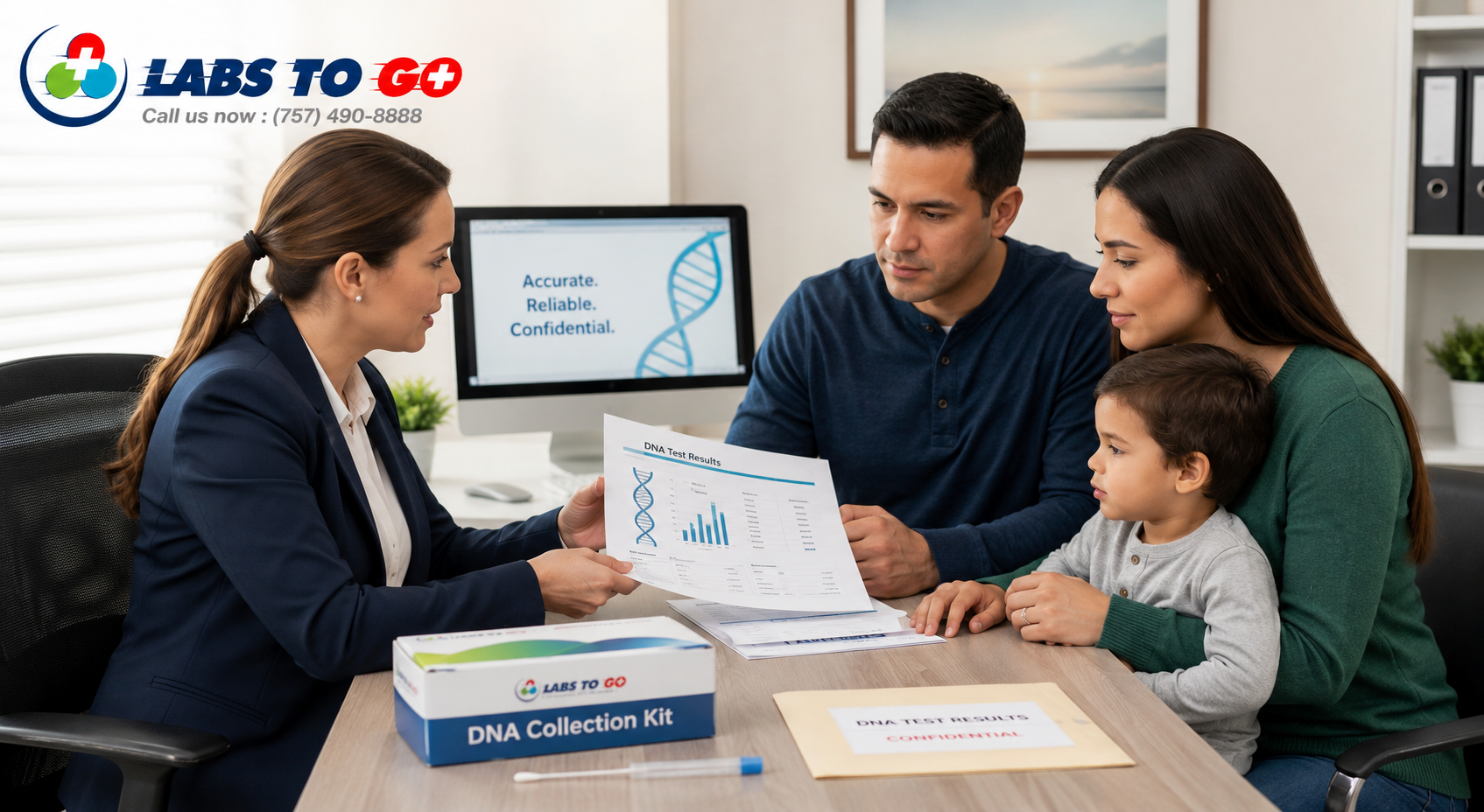
Questions about biological parentage can create emotional stress, legal uncertainty, and family conflict. Fortunately, modern DNA testing provides highly accurate answers that help resolve paternity disputes with confidence. Whether the issue involves child support, custody arrangements, inheritance rights, or personal peace of mind, a DNA paternity test is considered the most reliable method available today.
In this guide, we’ll explore how DNA testing resolved a paternity dispute, explain how paternity testing works, and discuss the legal, emotional, and medical benefits of establishing biological parentage.
What Is a Paternity Dispute?
A paternity dispute occurs when there is uncertainty or disagreement regarding the biological father of a child. These disputes can arise in various personal and legal situations.
Common Reasons for Paternity Disputes
- Child support claims
- Child custody cases
- Divorce proceedings
- Inheritance disputes
- Immigration applications
- Birth certificate corrections
- Family relationship concerns
- Personal confirmation of parentage
When conflicting claims arise, DNA testing provides scientific evidence to establish or exclude biological fatherhood.
Why DNA Testing Is the Gold Standard for Paternity Cases
Before modern genetic testing became available, courts and families often relied on blood typing, witness testimony, and circumstantial evidence. These methods were often inconclusive and unreliable.
Today, accredited DNA laboratories can determine paternity with more than 99.99% accuracy when the tested individual is the biological father. If the tested man is not the biological father, DNA testing can generally exclude paternity with nearly 100% certainty.
This level of accuracy makes DNA testing one of the most trusted forms of evidence in family law cases throughout the United States.
How DNA Paternity Testing Works
Every child inherits approximately 50% of their DNA from their mother and 50% from their biological father. A DNA paternity test compares genetic markers between the child and the alleged father.
Step 1: Sample Collection
The most common collection method is a painless cheek swab.
- No needles required
- Quick and non-invasive process
- Takes only a few minutes
- Suitable for adults and children
Step 2: DNA Extraction
Laboratory specialists extract DNA from the collected cheek cells.
Step 3: Genetic Marker Analysis
Scientists compare multiple genetic markers between the child and alleged father.
Step 4: Statistical Calculation
Advanced software calculates the probability of paternity using validated scientific methods.
Step 5: Final Report
The laboratory issues a report clearly stating whether paternity is included or excluded.
Real-Life Example: How DNA Testing Resolved a Paternity Dispute
Consider a situation involving a child named Ethan.
Several years after Ethan’s birth, uncertainty remained regarding his biological father. His mother informed Michael that he could be the father, but another individual also believed he may have fathered the child.
The situation created ongoing tension and confusion for everyone involved.
Questions Facing the Family
- Who was Ethan’s biological father?
- Who had legal responsibilities?
- Who should be involved in Ethan’s future?
- What medical history should Ethan inherit?
To resolve these questions, the family decided to pursue legal DNA testing.
The DNA Testing Process
The family contacted a professional DNA testing provider and selected a court-admissible DNA test.
Appointments were scheduled for:
- Ethan
- Michael
- The second alleged father
Certified collectors obtained cheek swab samples from all participants. The process was quick, painless, and completed in less than 15 minutes.
Waiting for the Results
The waiting period is often the most emotionally challenging part of any paternity case.
During this time, families may experience:
- Anxiety
- Stress
- Uncertainty
- Hope
- Fear
Everyone involved hoped the DNA test would finally provide clear answers.
The Results That Changed Everything
After laboratory analysis was completed, the findings were conclusive.
DNA Test Results
- Michael was excluded as the biological father.
- The second alleged father matched all required genetic markers.
- The probability of paternity exceeded 99.99%.
The scientific evidence definitively established biological fatherhood.
Years of uncertainty were resolved through a simple DNA test.
The Impact of DNA Testing on the Family
1. Clarity and Truth
The family finally had scientifically verified answers.
2. Legal Resolution
The biological father’s legal rights and responsibilities became clear.
3. Emotional Closure
Family members could move forward without uncertainty.
4. Medical Benefits
The child gained access to accurate family medical history.
Why Biological Family Medical History Matters
Knowing a child’s biological parentage can help healthcare providers evaluate potential genetic risks.
Conditions Influenced by Family History
- Heart disease
- Diabetes
- Cancer
- Genetic disorders
- Autoimmune diseases
- Inherited health conditions
Accurate biological information supports better long-term healthcare planning.
Legal Benefits of DNA Paternity Testing
Child Support Cases
DNA testing helps determine financial responsibility for child support obligations.
Child Custody Rights
Establishing biological parentage can impact custody decisions.
Visitation Rights
Confirmed biological fathers may pursue visitation rights through legal channels.
Inheritance Claims
DNA evidence can support inheritance and estate-related disputes.
Immigration Applications
Certain immigration cases require proof of biological relationships.
Legal DNA Testing vs. At-Home DNA Testing
At-Home DNA Tests
- Convenient
- Private
- Lower cost
- Generally not court admissible
Legal DNA Tests
- Identity verification required
- Chain of custody maintained
- Court-admissible documentation
- Accepted in legal proceedings
If legal action is anticipated, a court-admissible DNA test is typically recommended.
How Accurate Are DNA Paternity Tests?
Modern DNA paternity testing is among the most accurate forms of biological testing available.
Positive Result
Typically shows a probability of paternity greater than 99.99%.
Negative Result
Generally excludes paternity with nearly 100% certainty.
This exceptional accuracy makes DNA testing the preferred standard for resolving parentage disputes.
Common Reasons Families Request DNA Testing
- Establish biological parentage
- Resolve child support disputes
- Determine custody rights
- Confirm inheritance claims
- Gain peace of mind
- Understand family medical history
- Support immigration applications
- Reconnect biological relatives
Choosing a Trusted DNA Testing Provider
When selecting a DNA testing provider, look for:
- Accredited laboratory services
- Confidential testing procedures
- Experienced genetic specialists
- Court-admissible testing options
- Reliable customer support
- Fast turnaround times
A reputable testing provider ensures accurate, confidential, and legally defensible results.
Frequently Asked Questions (FAQs)
How accurate is a DNA paternity test?
Most accredited DNA paternity tests provide over 99.99% accuracy when confirming biological fatherhood.
Can DNA testing legally prove paternity?
Yes. Court-admissible DNA tests are widely accepted in legal proceedings.
How long does DNA testing take?
Results are often available within 2 to 7 business days.
Is DNA sample collection painful?
No. Most tests use a simple and painless cheek swab.
Can paternity testing be performed before birth?
Yes. Non-invasive prenatal paternity testing may be available in certain situations.
Final Thoughts
Paternity disputes can affect families emotionally, legally, and financially. Fortunately, modern DNA testing offers a reliable and scientifically proven method for establishing biological parentage.
As demonstrated in this example, DNA testing can resolve years of uncertainty and provide clarity for everyone involved. Whether the goal is legal resolution, peace of mind, medical knowledge, or family closure, DNA testing remains one of the most accurate and trusted tools available today.
When facts matter, DNA testing provides answers families can trust.