
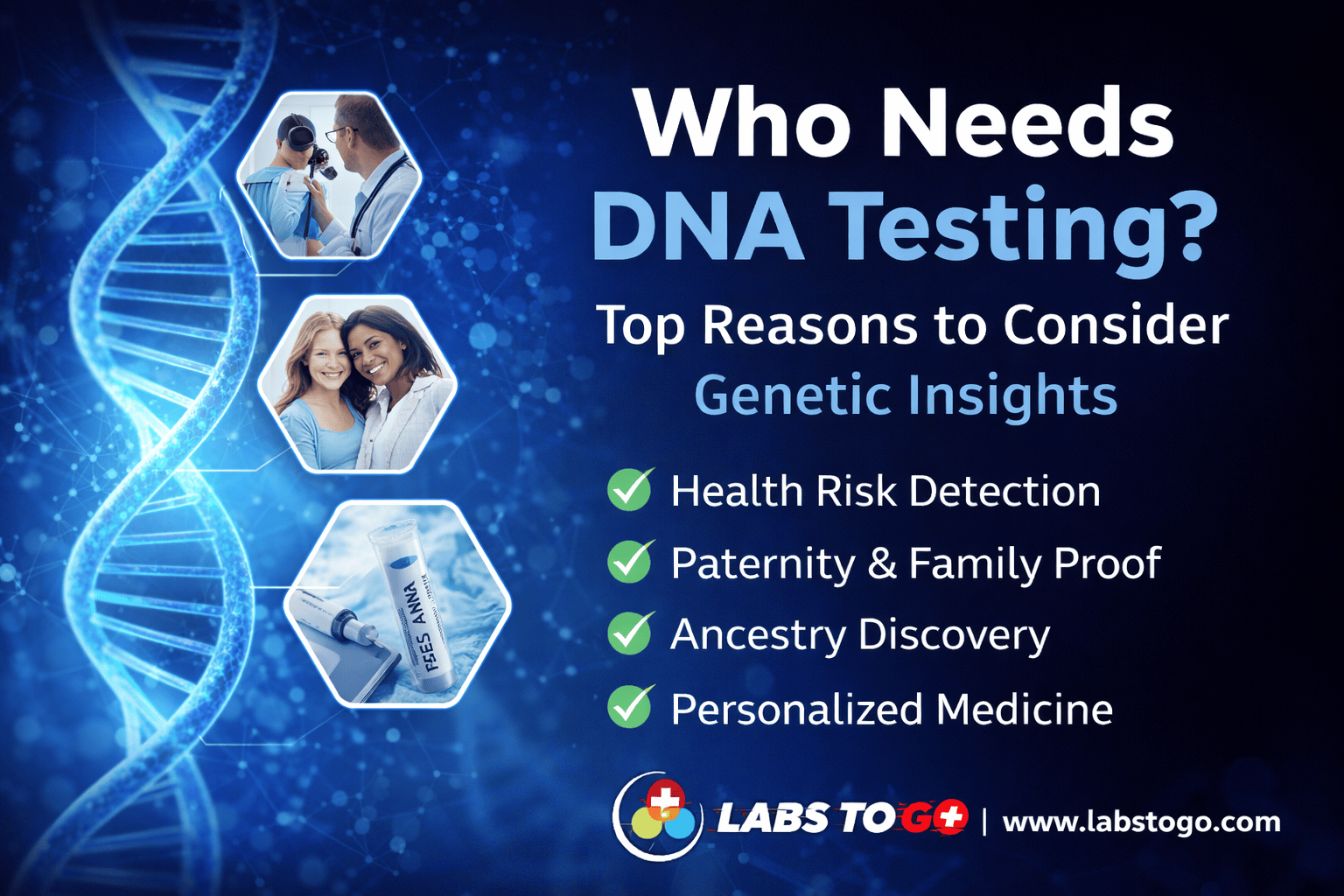
DNA testing has become an accessible and powerful tool for individuals seeking to unlock the mysteries held within their genetic code. Deoxyribonucleic acid, or DNA, is the molecule that carries the genetic instructions used in the growth, development, functioning, and reproduction of all known living organisms and many viruses. In recent years, advancements in technology have made it possible for people to decode their DNA, providing insights that were once available only to scientists and medical professionals. This transformation has enabled a new era where genetic information can influence personal and health-related decisions.
At its core, DNA testing involves analyzing a sample of your DNA, typically collected via a saliva sample or a cheek swab. Laboratories then sequence the DNA to identify variations and markers that can provide information about your genetic predispositions. The process is meticulous and requires sophisticated equipment to ensure accuracy. Once analyzed, the data is interpreted to generate a report that highlights various genetic traits, health risks, ancestry information, and more. This report can be a treasure trove of information, offering a glimpse into your biological past and potential future.
The applications of DNA testing are vast and varied. From understanding your ancestral roots to identifying potential health risks, the insights gained from genetic testing can be both enlightening and actionable. As more people become aware of the benefits of genetic testing, its popularity continues to grow. This article delves into the top reasons why you might consider undergoing DNA testing exploring the different facets of how genetic insights can transform your life.
The Role of DNA Testing in Health and Wellness
One of the most compelling reasons to consider DNA testing is its potential to revolutionize your approach to health and wellness. Genetic testing can reveal information about your susceptibility to various diseases and conditions, empowering you to take proactive measures to manage your health. For instance, certain genetic markers can indicate a higher risk for conditions such as heart disease, diabetes, and certain types of cancer. Knowing your genetic predisposition allows you to work with healthcare providers to develop personalized strategies for prevention and early detection.
Moreover, genetic testing can help identify specific gene mutations that may affect your body’s response to medications. This field, known as pharmacogenomics, can provide valuable insights into which medications are likely to be most effective for you and which ones might cause adverse reactions. By tailoring treatments based on your genetic profile, healthcare providers can enhance the efficacy of medical interventions and reduce the risk of side effects. This personalized approach to medicine is a significant leap forward from the traditional one-size-fits-all model of healthcare.
In addition to disease prevention and treatment, genetic testing can also offer insights into your overall wellness. For example, it can uncover genetic factors that influence your metabolism, nutrient absorption, and even your propensity for certain lifestyle-related conditions. Armed with this information, you can make informed decisions about your diet, exercise, and lifestyle choices to optimize your health. The integration of genetic insights into your wellness routine can pave the way for a more proactive and informed approach to maintaining good health.
Genetic Testing for Ancestry and Family History
Exploring your ancestry through DNA testing Virginia is another compelling reason to consider genetic insights. Ancestry DNA tests analyze your genetic markers to trace your lineage and provide a detailed breakdown of your ethnic background. These tests can reveal the regions of the world where your ancestors originated and can sometimes connect you with distant relatives you never knew existed. For many, this journey into the past is both fascinating and emotionally enriching, providing a deeper understanding of their heritage and cultural identity.
Family history can also be illuminated through genetic testing. By examining your genetic markers, you can identify relationships between family members and uncover information about your familial connections. This can be particularly valuable for individuals who were adopted or have limited knowledge of their biological relatives. Genetic testing can fill in the gaps, providing a more complete picture of your family tree and potentially connecting you with long-lost relatives. The emotional and psychological benefits of understanding your family history can be profound, fostering a sense of belonging and identity.
Additionally, genetic testing can reveal patterns of inheritance for certain traits and conditions within your family. This information can be crucial for understanding the genetic basis of certain health risks and can inform family planning decisions. By knowing which genetic traits are prevalent in your family, you can take proactive steps to monitor and manage potential health issues. The insights gained from ancestry and family history genetic testing can thus have far-reaching implications for your personal and familial well-being.
Common Medical Conditions and Genetic Testing
Genetic testing has become an invaluable tool in identifying and managing a wide range of medical conditions. Many diseases have a genetic component, meaning they are influenced by variations in your DNA. By identifying these variations, genetic testing can provide early warnings about your risk for certain conditions, allowing you to take preventive measures. Some of the most common medical conditions that can be influenced by genetic factors include cardiovascular diseases, cancers, and metabolic disorders.
Cardiovascular diseases, such as coronary artery disease and hypertension, are often influenced by genetic factors. Genetic testing can identify specific markers associated with an increased risk of developing these conditions. For instance, mutations in the LDLR gene can lead to familial hypercholesterolemia, a condition characterized by high cholesterol levels and an increased risk of heart disease. By knowing your genetic risk, you can work with your healthcare provider to implement lifestyle changes and medical interventions to reduce your risk.
Cancer is another area where genetic testing plays a crucial role. Certain gene mutations, such as those in the BRCA1 and BRCA2 genes, are associated with a significantly higher risk of developing breast and ovarian cancers. Genetic testing can identify these mutations, enabling individuals to make informed decisions about their health. This might include increased surveillance, preventive surgeries, or other risk-reducing strategies. The ability to detect cancer risk early can be life-saving and underscores the importance of genetic testing in modern medicine.
Metabolic disorders, such as diabetes and obesity, also have genetic components that can be identified through genetic testing. Variations in genes that regulate metabolism, insulin production, and fat storage can influence your risk of developing these conditions. By understanding your genetic predisposition, you can take proactive steps to manage your diet, exercise, and lifestyle to mitigate these risks. The insights gained from genetic testing can thus play a pivotal role in preventing and managing common medical conditions, ultimately leading to better health outcomes.
How DNA Testing Can Inform Personalized Medicine
Personalized medicine, also known as precision medicine, is a groundbreaking approach to healthcare that tailors medical treatment to the individual characteristics of each patient. Genetic testing is at the heart of this approach, providing the detailed genetic information needed to customize medical care. By understanding your unique genetic makeup, healthcare providers can develop treatment plans that are specifically designed to work best for you, enhancing the effectiveness of medical interventions and improving overall health outcomes.
One of the key ways genetic testing informs personalized medicine is through pharmacogenomics. This field studies how your genes affect your response to medications. Genetic variations can influence how your body metabolizes drugs, which can affect their efficacy and the likelihood of side effects. For example, certain genetic markers can indicate whether you are likely to metabolize a drug quickly or slowly, which can impact the dosage required for it to be effective. By using pharmacogenomic information, doctors can prescribe medications that are more likely to be effective and have fewer side effects, optimizing your treatment plan.
Genetic testing can also guide personalized medicine by identifying genetic predispositions to certain diseases. This information allows for more targeted screening and preventive measures. For instance, if genetic testing reveals a high risk for colorectal cancer, you might undergo more frequent colonoscopies to detect any early signs of the disease. Similarly, if you have a genetic predisposition to osteoporosis, you might take steps to strengthen your bones through diet, exercise, and medication. By tailoring preventive strategies to your genetic profile, personalized medicine can help you stay healthier and catch potential health issues early.
Another significant application of personalized medicine is in the treatment of chronic conditions. For example, individuals with genetic variations that affect insulin production or glucose metabolism may benefit from personalized diabetes management plans that include specific dietary recommendations, exercise regimens, and medications. Similarly, genetic insights can inform personalized treatment plans for conditions like hypertension, asthma, and autoimmune diseases. By considering your genetic profile, healthcare providers can develop more effective and individualized treatment plans, ultimately improving your quality of life.
The Benefits of DNA Testing for Fitness and Nutrition
Genetic testing is not just about understanding health risks and ancestry; it can also provide valuable insights into your fitness and nutrition. Your genetic makeup can influence how your body responds to different types of exercise, how efficiently you metabolize nutrients, and even your risk of injury. By understanding these genetic factors, you can tailor your fitness and nutrition plans to better suit your individual needs, maximizing your performance and overall well-being.
One of the key benefits of genetic testing for fitness is the ability to identify your body’s response to different types of exercise. For example, some people may have a genetic predisposition for endurance activities, while others may excel in strength and power-based exercises. By understanding your genetic tendencies, you can focus on the types of exercise that are most likely to be effective and enjoyable for you. This personalized approach can help you achieve your fitness goals more efficiently and reduce the risk of injury.
Genetic testing can also provide insights into your nutritional needs. Variations in genes that regulate metabolism, nutrient absorption, and food intolerances can influence how your body processes different foods. For instance, some people may have a genetic predisposition to lactose intolerance or gluten sensitivity, which can impact their dietary choices. By understanding your genetic profile, you can make informed decisions about your diet, ensuring that you are getting the nutrients you need while avoiding foods that may cause adverse reactions. This personalized approach to nutrition can improve your overall health and well-being.
Another important aspect of genetic testing for fitness and nutrition is the ability to identify potential risks for certain conditions that can impact your physical performance. For example, genetic variations can influence your risk of developing conditions like exercise-induced asthma, tendon injuries, or muscle cramps. By knowing your genetic risk, you can take preventive measures and work with healthcare providers to manage these conditions effectively. This proactive approach can help you stay healthy and active, allowing you to enjoy the benefits of physical activity without unnecessary setbacks.
Genetic Testing for Carrier Status and Family Planning
Genetic testing can play a crucial role in family planning by identifying carrier status for certain genetic conditions. Carrier testing involves analyzing your DNA to determine if you carry a gene mutation that could be passed on to your children. Even if you do not have symptoms of a genetic condition, you can still be a carrier and have a risk of passing the condition on to your offspring. Understanding your carrier status can help you make informed decisions about family planning and take steps to reduce the risk of passing on genetic conditions.
Carrier testing is particularly important for couples who are planning to have children, especially if there is a known family history of genetic conditions. Common conditions that can be identified through carrier testing include cystic fibrosis, sickle cell anemia, and Tay-Sachs disease. If both partners are carriers for the same condition, there is a higher risk that their children could inherit the condition. By knowing their carrier status, couples can explore options such as genetic counseling, prenatal testing, or assisted reproductive technologies to make informed decisions about starting a family.
In addition to carrier testing, genetic testing can also provide valuable information for prenatal care. Non-invasive prenatal testing (NIPT) involves analyzing a small sample of the mother’s blood to screen for certain genetic conditions in the developing fetus. This testing can identify conditions such as Down syndrome, trisomy 18, and trisomy 13 with a high degree of accuracy. Early detection of these conditions can help expectant parents make informed decisions about their pregnancy and prepare for the care and support their child may need.
Genetic testing can also be valuable for individuals undergoing assisted reproductive technologies, such as in vitro fertilization (IVF). Preimplantation genetic testing (PGT) involves screening embryos for genetic conditions before they are implanted in the uterus. This can help ensure that only healthy embryos are selected, reducing the risk of genetic conditions and increasing the chances of a successful pregnancy. The insights gained from genetic testing can thus play a critical role in family planning, helping couples make informed decisions and take steps to ensure the health and well-being of their future children.
Ethical Considerations in DNA Testing
While the benefits of DNA testing are substantial, it is also important to consider the ethical implications associated with genetic testing. One of the primary ethical concerns is privacy and the potential misuse of genetic information. Genetic data is highly personal and sensitive, and there is a risk that it could be used for discriminatory purposes, such as in employment or insurance. Ensuring that your genetic information is kept confidential and secure is paramount, and it is important to choose a reputable genetic testing service that adheres to strict privacy standards.
Another ethical consideration is the potential psychological impact of genetic testing. Learning about your genetic predispositions can be empowering, but it can also be distressing, especially if you discover a high risk for serious medical conditions. It is important to approach genetic testing with a clear understanding of the potential emotional implications and to seek support from genetic counselors or mental health professionals if needed. Genetic counselors can help you interpret your results, understand the implications, and make informed decisions about your health and family planning.
Informed consent is also a critical ethical consideration in genetic testing. Individuals undergoing genetic testing should have a clear understanding of what the test entails, what information it will provide, and the potential implications of the results. This includes understanding the limitations of genetic testing, as not all genetic risks can be identified, and the presence of a genetic risk does not guarantee that you will develop a condition. Ensuring that individuals have all the information they need to make an informed decision about genetic testing is essential for ethical practice.
The ethical considerations associated with genetic testing also extend to the use of genetic information in research. While genetic research has the potential to advance our understanding of human health and disease, it is important that participants’ rights and privacy are protected. This includes obtaining informed consent for participation in research studies and ensuring that genetic data is anonymized and securely stored. The ethical use of genetic information in research is essential for maintaining public trust and advancing scientific knowledge in a responsible manner.
Choosing the Right DNA Testing Service
With the growing popularity of DNA testing, there are now numerous companies offering genetic testing services. Choosing the right DNA testing service is essential to ensure that you receive accurate, reliable, and meaningful results. One of the first factors to consider is the reputation and credibility of the company. Look for companies that have a strong track record, are well-established in the field, and have positive reviews from customers and experts. Reputable companies are more likely to adhere to high standards of accuracy, privacy, and customer service.
The type of genetic testing offered is another important consideration. Different companies offer different types of tests, ranging from ancestry and family history to health and wellness insights. Consider what you hope to achieve with genetic testing and choose a service that aligns with your goals. For example, if you are primarily interested in understanding your ancestry, choose a company that specializes in ancestry testing and offers detailed reports. If you are looking for health-related insights, choose a service that provides comprehensive health risk assessments and personalized recommendations.
Privacy and data security are crucial factors to consider when choosing a DNA testing service. Your genetic information is highly sensitive, and it is important to ensure that it is protected. Look for companies that have robust privacy policies and use secure methods for collecting, storing, and analyzing genetic data. This includes encryption, secure databases, and strict access controls. Additionally, consider whether the company allows you to control how your genetic information is used, such as opting out of data sharing for research purposes.
The cost of genetic testing is also an important consideration. Prices can vary widely between different services, and it is important to understand what is included in the cost. Some companies may offer lower prices but provide less comprehensive reports, while others may charge more for detailed and personalized insights. Consider your budget and what you hope to gain from genetic testing when evaluating the cost. It is also worth checking if the company offers any additional services, such as genetic counseling, which can provide valuable support and guidance in interpreting your results.
Conclusion: Making Informed Decisions with Genetic Insights
DNA testing has opened up a world of possibilities for understanding our genetic makeup and its implications for our health, ancestry, and personal well-being. By providing detailed insights into our genetic predispositions, DNA testing can empower us to make informed decisions about our health, family planning, and lifestyle choices. Whether you are looking to understand your risk for certain medical conditions, explore your ancestral roots, or optimize your fitness and nutrition, genetic testing can provide valuable and actionable information.
However, it is important to approach genetic testing with a clear understanding of its benefits and limitations. Genetic insights can be empowering, but they also come with ethical considerations and potential emotional implications. Ensuring that you choose a reputable and credible DNA testing service, protecting your genetic information, and seeking support from genetic counselors or healthcare professionals can help you navigate the complexities of genetic testing.
Ultimately, the decision to undergo genetic testing is a personal one, and it is important to consider your individual goals, needs, and circumstances. By making informed decisions and using genetic insights responsibly, you can unlock the potential of your DNA to enhance your health, understand your heritage, and make proactive choices for your future. The journey into your genetic makeup can be a transformative experience, offering a deeper understanding of yourself and the blueprint that makes you unique.