

Sexual health is a vital part of overall well-being, yet it’s often overlooked due to stigma, fear, or lack of awareness. STD testing (Sexually Transmitted Disease testing) is one of the most important steps you can take to protect yourself and your partner(s). Whether you’re experiencing symptoms or simply being proactive, understanding how STD testing works—and how to prepare for it—can make the process smoother and less stressful.
This comprehensive guide will walk you through everything you need to know before getting an STD test, from preparation and types of tests to what results mean and how to move forward.
What is STD Testing?
STD testing refers to medical tests used to detect infections that are primarily spread through sexual contact. These infections may be caused by bacteria, viruses, or parasites. Common STDs include:
- Chlamydia
- Gonorrhea
- Syphilis
- HIV
- Herpes (HSV-1 and HSV-2)
- Human Papillomavirus (HPV)
- Trichomoniasis
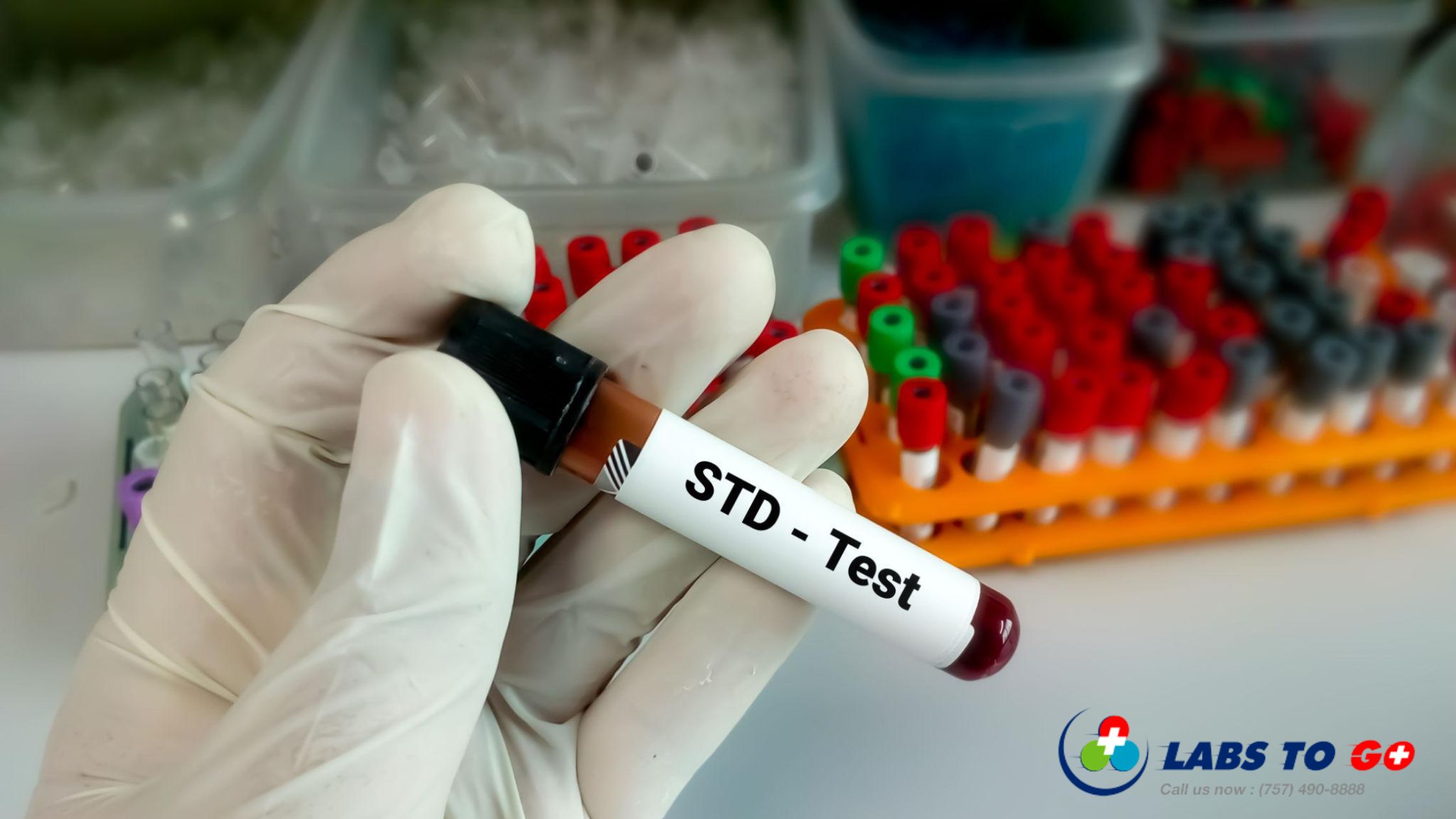
Many of these infections don’t show obvious symptoms, which is why regular testing is essential—even if you feel completely healthy.
Why STD Testing is Important
Ignoring STD testing can lead to serious health complications. Early detection allows for timely treatment and prevents the spread of infections to others. Here’s why it matters:
Many STDs Are Asymptomatic
You can have an STD without knowing it. For example, chlamydia and gonorrhea often show no symptoms but can still cause long-term damage.
Prevent Long-Term Health Issues
Untreated STDs can lead to infertility, organ damage, chronic pain, and even life-threatening conditions like AIDS.
Protect Your Partner
Testing helps ensure that you don’t unknowingly pass infections to others.
Peace of Mind
Knowing your status can reduce anxiety and help you make informed decisions about your sexual health.
Who Should Get Tested?
STD testing is recommended for:
- Sexually active individuals
- People with multiple partners
- Those who have had unprotected sex
- Individuals starting a new relationship
- Pregnant women
- Anyone experiencing symptoms like unusual discharge, sores, or pain
Even if none of the above apply, regular testing is still a good practice.
Types of STD Tests
Different STDs require different types of tests. Here are the most common methods:
1. Blood Tests
Used to detect infections like HIV, syphilis, and herpes.
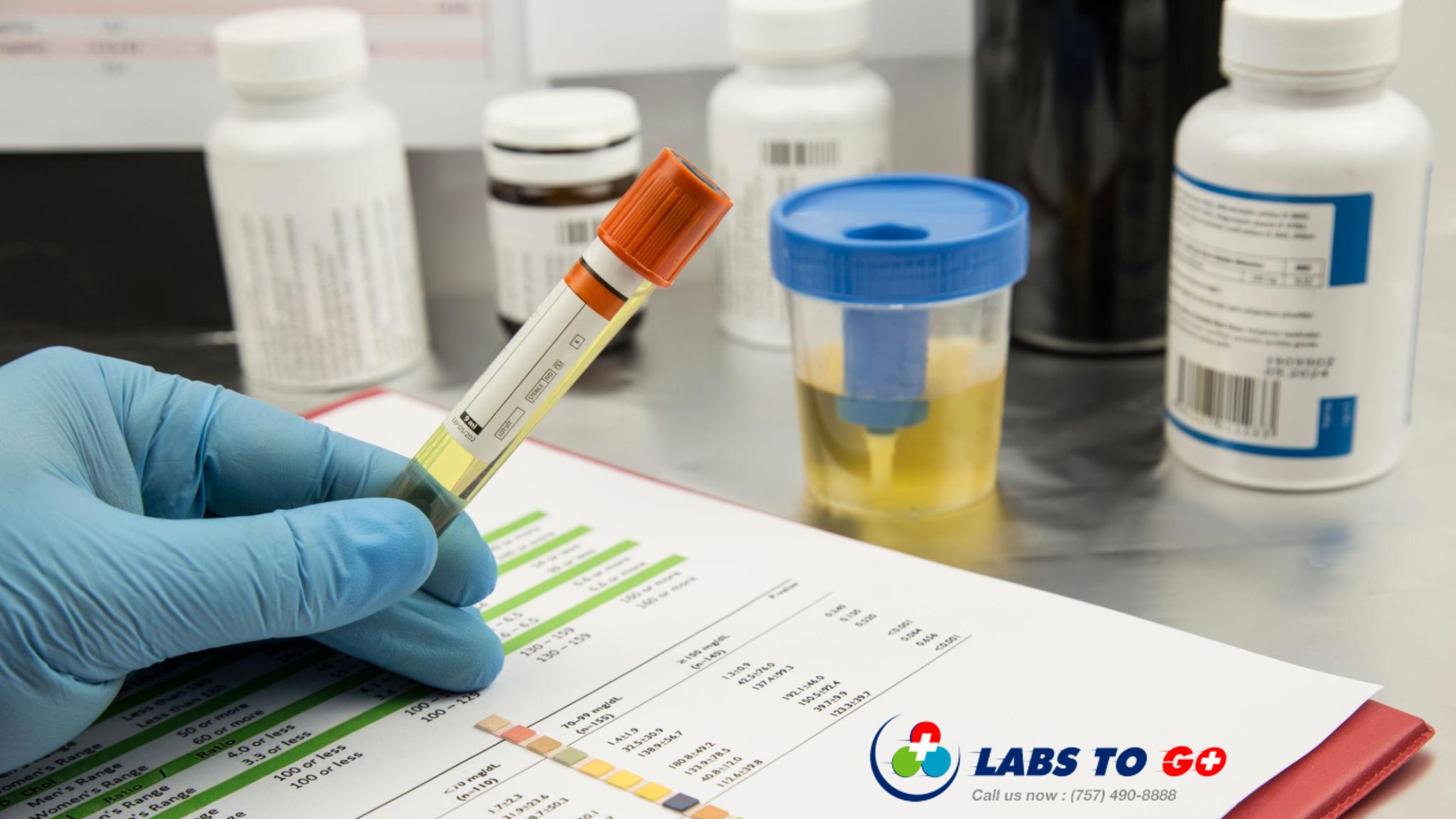
2. Urine Tests
Commonly used for chlamydia and gonorrhea.
3. Swab Tests
Samples are taken from the genital area, throat, or rectum.
4. Physical Examination
Doctors may examine visible symptoms like sores or rashes.
Each test is quick, relatively painless, and performed in a confidential setting.
Things to Know Before STD Testing
Preparing properly for your STD test can improve accuracy and make the process more comfortable. Here are the key things to keep in mind:
Avoid Urinating Before the Test
If your test involves a urine sample (common for chlamydia and gonorrhea), you should avoid urinating for at least 1–2 hours before the test. This helps ensure that enough bacteria are present in the sample for accurate detection.
Skip Douching or Vaginal Products
For women, avoid using:
- Douches
- Vaginal creams
- Lubricants
- Spermicides
At least 24 hours before testing, as these can interfere with results.
Be Honest About Your Sexual History
Your healthcare provider may ask questions about:
- Number of partners
- Type of sexual activity
- Use of protection
- Previous STD history
Answering honestly helps determine which tests are necessary.
Know the Testing Window Period
Each STD has a “window period”—the time between exposure and when it can be detected:
- HIV: 10–90 days
- Chlamydia/Gonorrhea: 1–2 weeks
- Syphilis: 3–6 weeks
Testing too early may result in false negatives, so timing matters.
Avoid Sexual Activity Before Testing
Refrain from sexual activity for at least 24 hours before your test, especially if symptoms are present. This helps avoid irritation or contamination.
Bring Necessary Documents
Depending on where you get tested, you may need:
- ID proof
- Insurance details (if applicable)
- Medical history
Some clinics also offer anonymous testing.
Understand Confidentiality
STD testing is typically confidential. Many clinics follow strict privacy laws, and results are not shared without your consent.
What Happens During an STD Test?
The process is usually simple and quick:
- Registration – Fill out basic forms
- Consultation – Discuss symptoms and history
- Sample Collection – Blood, urine, or swab
- Testing – Samples are sent to a lab
- Results – Available within a few days
Most appointments take less than 30 minutes.
How Long Do Results Take?
- Rapid tests (HIV): 20–30 minutes
- Standard lab tests: 1–3 days
- Some specialized tests: Up to a week
Many clinics also offer online result access for convenience.
Understanding Your Results
Negative Result
No infection detected. However, if you tested during the window period, a follow-up test may be needed.
Positive Result
Indicates the presence of an infection. Don’t panic—many STDs are treatable or manageable.
What to Do After Testing
If Your Result is Negative
- Continue practicing safe sex
- Get tested regularly
- Use protection consistently
If Your Result is Positive
- Follow your doctor’s treatment plan
- Inform your partner(s)
- Avoid sexual activity until cleared
- Schedule follow-up tests if needed
Common Myths About STD Testing
“I don’t have symptoms, so I’m fine.”
Reality: Many STDs show no symptoms.
“Testing is painful.”
Reality: Most tests are quick and minimally uncomfortable.
“It’s embarrassing.”
Reality: Healthcare providers are professionals and handle this routinely.
“Only certain people need testing.”
Reality: Anyone sexually active should consider testing.
How Often Should You Get Tested?
- Annually: General recommendation
- Every 3–6 months: If you have multiple partners
- Before a new relationship
- Immediately if symptoms appear
Regular testing is key to maintaining sexual health.
At-Home STD Testing: Is It Reliable?
At-home testing kits are becoming popular due to convenience and privacy. They involve:
- Self-collection of samples
- Sending samples to a lab
- Receiving results online
While generally reliable, it’s important to use approved and reputable kits.
Tips to Reduce STD Risk
- Use condoms consistently
- Limit number of sexual partners
- Get vaccinated (HPV, Hepatitis B)
- Communicate openly with partners
- Schedule regular health checkups
Emotional and Mental Aspects of STD Testing
It’s normal to feel anxious before testing. Here’s how to manage it:
- Educate yourself
- Choose a trusted clinic
- Bring a friend if needed
- Remember that testing is a responsible step
Taking control of your health is always a positive move.
Final Thoughts
STD testing is not something to fear—it’s something to prioritize. Being informed and prepared can make the entire process smooth and stress-free. Whether it’s your first time or part of your regular health routine, knowing what to expect empowers you to take charge of your sexual health.
By following the right preparation steps—like avoiding urination before a urine test, skipping certain products, and understanding testing windows—you can ensure accurate results and peace of mind.
Download Mobile Medical Lab to book mobile services today.