


Pregnancy is a life-changing journey filled with excitement, questions, and important decisions. One of the most sensitive and time-critical choices some parents face is determining paternity before a child is born. Thanks to advances in medical science, prenatal DNA testing now provides a safe, accurate, and non-invasive way to establish paternity during pregnancy.
However, timing plays a crucial role in ensuring the best results. If you’re considering prenatal DNA testing, understanding when to schedule your test can make a significant difference in accuracy, safety, and peace of mind.
In this guide, we’ll break down everything you need to know about prenatal DNA testing timing, how the process works, and how to prepare—so you can make informed, confident decisions.
What Is a Prenatal DNA Test?
A prenatal DNA test is a medical procedure used to determine the biological father of an unborn child. Unlike traditional post-birth paternity tests, prenatal testing allows you to get answers during pregnancy.
There are two main types:
1. Non-Invasive Prenatal Paternity Test (NIPP)
- Uses a blood sample from the mother
- Requires a cheek swab from the alleged father
- Completely safe for both mother and baby
- Highly accurate (over 99.9%)
2. Invasive Prenatal Tests (Rarely Recommended)
- Includes amniocentesis or CVS (chorionic villus sampling)
- Carries a small risk of miscarriage
- Typically used for medical conditions, not just paternity
Most modern testing providers, including services similar to Labstogo, strongly recommend non-invasive prenatal testing due to its safety and reliability.
When Is the Best Time to Schedule a Prenatal DNA Test?
The Ideal Time: After 8–9 Weeks of Pregnancy
The best time to schedule a prenatal DNA test is typically after the 7th or 8th week of pregnancy. This is when there is enough fetal DNA circulating in the mother’s bloodstream to produce accurate results.
Earlier than this, the concentration of fetal DNA may be too low, which can affect test reliability or require retesting.
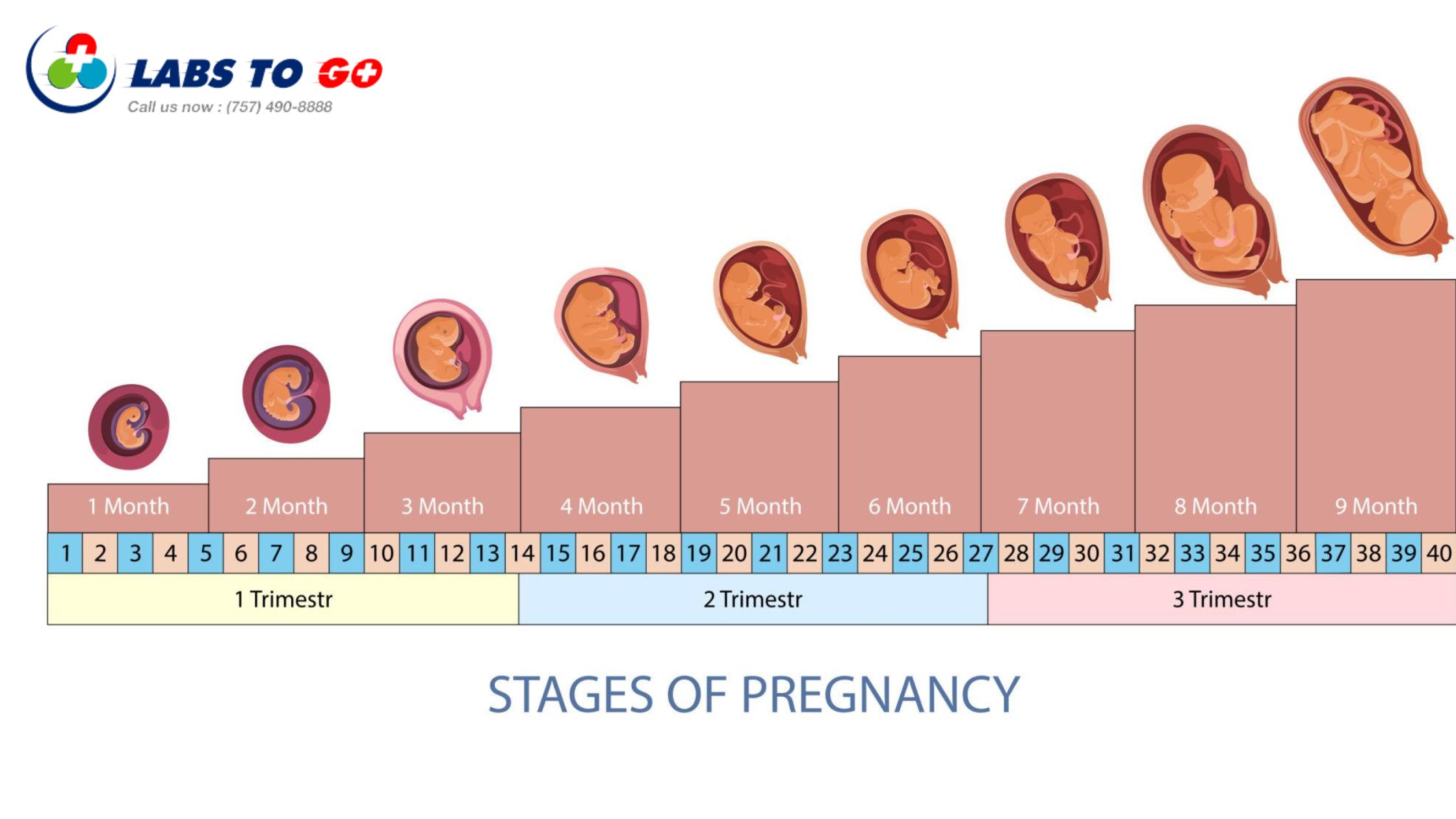
Why Timing Matters
Scheduling your prenatal DNA test at the right time ensures:
1. Accurate Results
Fetal DNA must be present in sufficient quantity. Testing too early may lead to inconclusive or delayed results.
2. Faster Processing
When the sample is viable, labs can process it quickly—usually within a few business days.
3. Reduced Stress
Waiting too long can create emotional strain, especially if legal or personal decisions depend on the results.
4. Better Planning
Early results help parents make informed decisions about the pregnancy, relationships, and future planning.
How Prenatal DNA Testing Works
Understanding the process helps you feel more confident about scheduling your test at the right time.
Step 1: Sample Collection
- A simple blood draw from the mother
- A cheek swab from the alleged father
Step 2: DNA Extraction
The lab isolates fetal DNA from the mother’s bloodstream and compares it to the alleged father’s DNA.
Step 3: Analysis
Advanced genetic testing methods analyze specific markers to determine paternity.
Step 4: Results Delivery
Results are typically available within 5–7 business days, depending on the provider.
Is Prenatal DNA Testing Safe?
Yes—especially when using non-invasive methods.
Unlike invasive procedures, non-invasive prenatal DNA testing:
- Does not involve needles entering the uterus
- Poses no risk to the baby
- Is as simple as a routine blood test
This makes it the preferred option for expectant mothers seeking peace of mind without medical risks.
Who Should Consider Prenatal DNA Testing?
Prenatal DNA testing is suitable for individuals who:
- Want to confirm paternity before birth
- Need results for legal reasons (custody, child support, immigration)
- Are facing uncertainty about biological fatherhood
- Prefer early clarity for emotional or personal reasons
Many modern testing providers also offer confidential and discreet testing options, ensuring privacy throughout the process.
How Early Is Too Early?
While some people may want answers immediately, testing before 7 weeks is generally not recommended.
At earlier stages:
- Fetal DNA levels are too low
- Results may be inconclusive
- You may need to repeat the test
To avoid unnecessary costs and delays, it’s best to wait until the recommended timeframe.
Can You Test Later in Pregnancy?
Yes, prenatal DNA testing can be done at any point after 7–8 weeks.
However, there are some considerations:
Pros of Testing Later:
- Higher fetal DNA concentration
- Potentially smoother processing
Cons of Waiting Too Long:
- Delayed decision-making
- Increased emotional stress
- Less time for legal or personal planning
For most people, earlier testing (after 7–8 weeks) provides the best balance.
Preparing for Your Prenatal DNA Test
To ensure accurate and smooth testing, follow these preparation tips:
1. Confirm Pregnancy Duration
Speak with your healthcare provider to confirm how many weeks pregnant you are.
2. Choose a Trusted Testing Provider
Look for:
- Accredited laboratories
- High accuracy rates
- Confidential testing services
3. Avoid Contamination
Ensure samples are collected properly, especially the alleged father’s cheek swab.
4. Follow Instructions Carefully
Each provider may have slightly different requirements—always follow their guidelines.
How Accurate Are Prenatal DNA Tests?
Non-invasive prenatal DNA tests are over 99.9% accurate when performed at the correct time.
Accuracy depends on:
- Proper timing (after 7–8 weeks)
- Sample quality
- Laboratory standards
False results are extremely rare when using a reputable testing provider.
Privacy and Confidentiality
Prenatal DNA testing is a sensitive matter, and privacy is a top concern.
Reputable providers ensure:
- Secure data handling
- Confidential results delivery
- Discreet communication
Always verify that your provider follows strict privacy standards.
Prenatal vs. Postnatal DNA Testing
If you’re unsure about timing, here’s a quick comparison:
Common Myths About Prenatal DNA Testing
Myth 1: It’s Dangerous
Reality: Non-invasive testing is completely safe.
Myth 2: It’s Not Accurate
Reality: Modern testing is highly accurate when done at the right time.
Myth 3: You Have to Wait Until Birth
Reality: You can test as early as 7–8 weeks.
Emotional Considerations
Prenatal DNA testing isn’t just a medical decision—it’s an emotional one.
It can bring:
- Relief and clarity
- Difficult conversations
- Important life decisions
It’s often helpful to:
- Seek support from trusted individuals
- Consult a counselor if needed
- Take time to process the results
Legal Considerations
In some cases, prenatal DNA test results may be used for legal purposes such as:
- Child support claims
- Custody arrangements
- Immigration documentation
If legal use is required, ensure you select a provider that offers legally admissible testing with proper chain-of-custody procedures.